Can you smoke on Bondi Beach?
Smoking is not allowed at Bondi Beach, with specific rules in place. 1. Prohibition - Smoking is banned on the beach and in nearby areas like playgrounds and parks. 2. Designated Smoking Areas - There may be specific smoking areas nearby where it is permitted, indicated by signage. 3. Penalties - Fines can be imposed for smoking in prohibited zones to help maintain cleanliness and a healthy environment for visitors. For the latest updates, check with the [Waverley Council](https://www.waverley.nsw.gov.au) or local government resources. 🚭🏖️
Asked 27 May 2026
Yes, bluebottles can appear at Bondi Beach, especially in warmer months. Here are some tips for avoiding them and managing a sting: 1. Presence: - Bluebottles may be more numerous with onshore winds. ⚓ 2. Safety Precautions: - Avoid swimming where bluebottles are visible in the water or on the shore. - Check for warning signs from lifeguards before entering the water. 🚩 3. If You Get Stung: - Do Not Rinse with Fresh Water: Use seawater to rinse the sting site. - Remove Tentacles: Carefully scrape off any tentacles with tweezers or a flat object. - Avoid Rubbing: Don't rub the sting area to prevent irritation. - Seek Medical Help: Get medical attention for severe reactions or lingering symptoms. Staying informed and following these tips will help ensure a safe visit to Bondi Beach. 🏖️
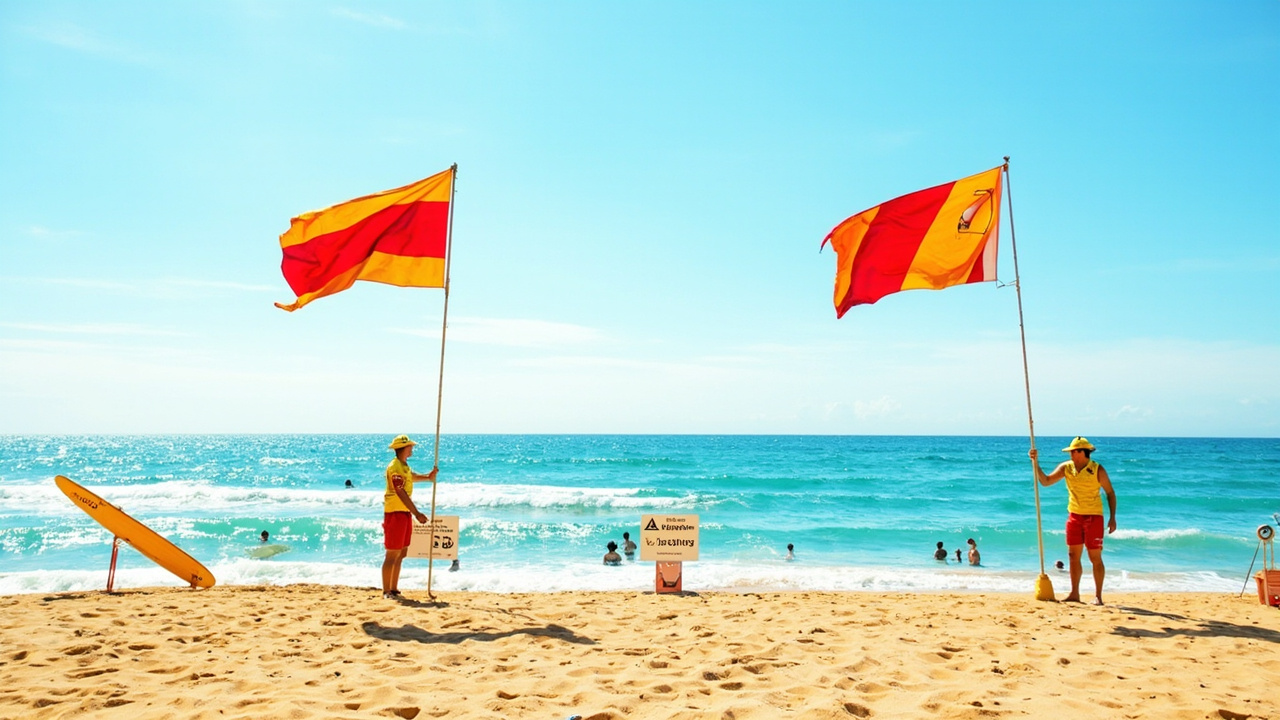
Understanding beach etiquette can enhance your visit to Bondi Beach. Here are some guidelines to follow: 1. Respect Local Culture: - Engage mindfully with the community and recognise the Gadigal people's traditional ownership of the area. 🌏 2. Swim Safely: - Always swim between the red and yellow flags where lifeguards are present for safety. 🏊♂️ 3. Keep Noise Levels Down: - Be considerate by managing noise, especially during early mornings and late evenings. 4. Dress Appropriately: - Casual beachwear is fine, but smart-casual is preferred at nearby cafés and restaurants. 👙👕 5. Maintain Beach Cleanliness: - Use designated bins for rubbish and join community clean-ups to keep the area pristine. 🚮 6. Surf Etiquette: - Wait your turn for waves and avoid dropping in on more experienced surfers. 🏄♂️ 7. Friendly Interaction: - Engage in light conversation and use simple greetings to connect with locals. 😊 8. Respect Events: - Observe local customs and respect attendees during events to enhance your experience. 9. Tipping Practices: - Tipping 10-15% for good service in restaurants is appreciated, though not mandatory. 🧾 Following these guidelines will help ensure a respectful and enjoyable environment at Bondi Beach! 🌞
Authorities are implementing safety measures to ensure a secure environment at Bondi Beach. 1. Active Threat Status: - Authorities confirm no ongoing active threat at Bondi Beach. - Parts of the foreshore remain a crime scene as investigations continue. 2. Security Measures: - Increased police presence around Bondi Beach for safety. - More visible patrols in major public gathering points. 3. Community Support: - Ongoing medical and psychological support offered by emergency services and local health providers. - Community organisations are involved in providing practical assistance to those affected. 4. Ongoing Investigations: - Specialist teams are investigating the incident, focusing on attackers' backgrounds and support networks. - Efforts are made to understand how the weapons were obtained. The Bondi community is strong, and following local guidelines will help ensure a safe visit to the beach. 🏖️👮♀️
To maintain cleanliness during busy periods, beachgoers are encouraged to take personal responsibility by packing out what they bring in. Simple actions like using reusable containers can make a significant difference. • Participating in community clean-up events is another great way to help out. These events not only keep the beaches tidy but also foster a sense of community and pride in our local environment. • It's also helpful to utilize the waste disposal facilities provided, as they're strategically placed to encourage proper disposal of litter and recyclables. Awareness campaigns often remind visitors to respect the beach and its ecosystem.
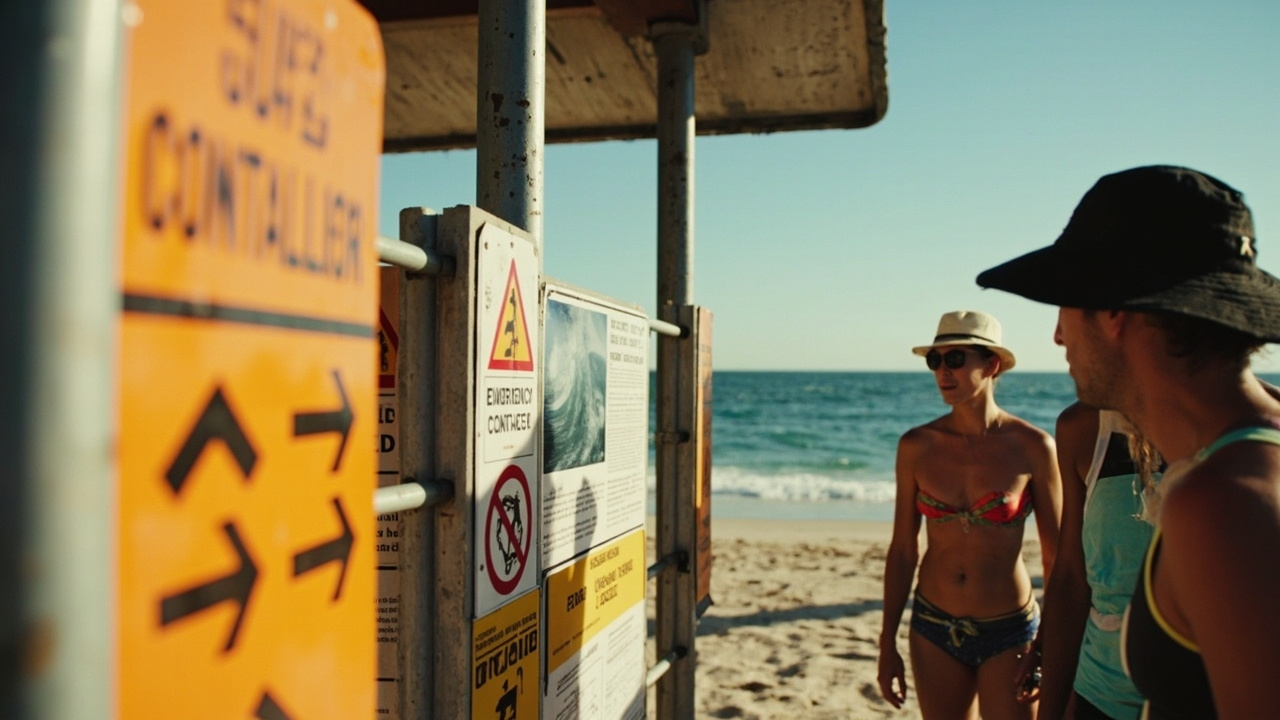
The Waverley Council has a proactive approach to safety during extreme weather, closely monitoring conditions and providing timely updates to the public through various channels. • They work with local emergency services to develop protocols for evacuations and safety measures, ensuring that lifeguards are prepared to respond quickly to any situation. • Communication is key, so they often use social media and signage at the beach to inform visitors of any dangers, such as high tides or dangerous surf conditions. • Additionally, they have contingency plans in place for post-storm cleanup and assessment to restore the beach to a safe condition as quickly as possible.
Yes, many beaches have designated zones for sports like volleyball and frisbee. It's best to check for any specific areas marked for these activities to avoid interfering with swimmers or sunbathers. • Also, remember to be mindful of your surroundings. Make sure there's enough space for your game and that you're not disrupting other beachgoers. Keeping the beach safe and enjoyable for everyone is key!
Snorkeling can be a fantastic way to explore the underwater world at many beaches, but it's essential to check local guidelines first. Some areas may have specific rules regarding where you can snorkel to ensure safety and protect marine life. • Be sure to wear a wetsuit if the water is chilly, and always snorkel with a buddy. It's safer and more fun to explore together. Also, keep an eye on the surf conditions, as strong currents can make snorkeling challenging.
While capturing memories at the beach is encouraged, there are some guidelines to follow, especially for commercial photography or filming. Generally, personal photography is fine, but if you're planning something more professional, you may need a permit. • It's always courteous to respect the privacy of other beachgoers when taking photos, especially if they might be in the background. If you're using drones for aerial shots, remember those have specific regulations, too, as they can interfere with swimmers and wildlife. • For the latest rules and any potential fees for permits, checking with local councils or beach authorities is a smart move before you set up your camera gear.
Paddleboarding at Coogee Beach can be a fantastic way to enjoy the water, but there are some key regulations to keep in mind. You should always paddle within designated areas to ensure safety, especially around swimmers. • Make sure to follow any signage about water conditions, and be aware that lifeguards are there to help. They can provide guidance on the best times and spots for paddleboarding. • Also, some peak times or events may restrict paddleboarding, so it's a good idea to check in with local authorities for the most updated information before you head out.
Begin by discussing beach safety rules at home, such as always swimming in designated areas and never going into the water without adult supervision. • Practice basic swimming skills in a controlled environment like a pool, where you can teach them how to float, tread water, and recognize when they need help. • Take them to the beach and point out important safety features, like lifeguard stations and warning flags, explaining what each one means. • Make it a fun learning experience by incorporating games that teach them how to recognize rip currents and the importance of staying close to shore.
Older adults should be mindful of their physical limitations and swim in areas suited for their skill level, ideally in shallow water. • It's important to have a buddy system in place; swimming with a friend can enhance safety and provide assistance if needed. • Most public pools have lifeguards on duty, but be sure to familiarize yourself with the pool's safety rules and emergency procedures. • Staying hydrated is crucial, especially in warmer weather, so make sure to drink water before and after swimming to avoid dehydration.
Fishing from the shore is a fantastic way to enjoy the outdoors, but safety should be a priority. Always check the local regulations and ensure you have the necessary permits. • Be aware of your surroundings, especially when casting your line. Keep a safe distance from other anglers and swimmers, and watch out for the tides, as they can affect the water's depth and current. • Wear appropriate footwear to protect your feet from sharp rocks or shells, and consider using a life jacket, especially if you're fishing from a rocky shoreline. Lastly, have a plan for how to handle any catch safely, including knowing the local guidelines for catch-and-release.
Secluded beaches can be a beautiful escape, but they often lack lifeguards and facilities. It's essential to check local conditions beforehand, as these areas can be more susceptible to strong currents and changing tides. • Always swim with a buddy, as help can be far away in case of an emergency. Make sure to familiarize yourself with the beach layout, including any rocky areas that could pose risks. • Bring your own safety gear, like flotation devices, and keep a first aid kit handy. Knowing how to contact emergency services in the area can also make a big difference.
Before heading to the beach, have a fun discussion about sharks, focusing on their importance in the ocean ecosystem and the fact that most sharks are not dangerous to humans. • Teach your kids the basic safety rules, like swimming in designated areas, staying close to adults, and what to do if they see a shark. • Role-playing scenarios can be helpful! Act out how to remain calm and signal for help if needed, which makes the information more memorable for them.
If a shark comes close, the first thing to remember is to stay calm. Panic can lead to erratic movements, which might attract the shark's attention. • Slowly back away towards the shore while keeping the shark in your sight, but avoid splashing or making sudden movements. • If you're with others, signal to them to move calmly toward the beach as well. Lifeguards are trained to handle these situations, so once you're back on the sand, inform them about the sighting.
Preparation is key if you're not a confident swimmer but want to enjoy the beach. Start by practicing basic swimming skills in a pool, focusing on your strokes and breathing technique to build your comfort level. • When you hit the beach, consider sticking to shallow water and areas designated for swimming, where lifeguards are present. This will help you feel safer and more secure while you're in the water. • Bringing along flotation aids can also boost your confidence. Whether it's a noodle, boogie board, or vest, having something to support you can make swimming more enjoyable. • Lastly, don't hesitate to take swimming lessons or join a beginner's swim group. Many local beaches offer programs that can help you improve your skills and meet others who are in the same boat.
If you're heading into open water for the first time, it's super important to familiarize yourself with the area. Look for designated swimming zones and pay attention to any posted safety signs. These can give you valuable information about currents and local marine life. • Start by swimming in calmer conditions, ideally on a day when the water is flat. This will help you feel more comfortable and confident as you get used to the sensation of swimming in waves. • Additionally, always swim with a buddy or at least let someone know your plans. Having a companion not only enhances safety, but it also makes the experience more fun. • Finally, consider wearing a brightly colored swim cap or gear to make yourself more visible to others, especially if you're swimming in areas where boats might be present.
Understanding your environment is key. Before you enter the water, assess the surf conditions and look for signs of strong currents or rip tides, which can often be identified by choppy water or a gap in the breaking waves. • If you do find yourself caught in a strong current, remember to stay calm. Instead of fighting against it, swim parallel to the shore until you're out of the current, and then make your way back to the beach. • It's also a good idea to surf with a buddy, as having someone nearby can be a lifesaver if conditions change unexpectedly.
Surfing during a storm is highly discouraged. The conditions can be unpredictable, with strong winds and large waves that can be dangerous for even experienced surfers. • Always check local weather reports before heading out. If there's a storm warning or rough seas, it's best to stay on land and wait for calmer conditions. • If you find yourself at the beach during inclement weather, pay close attention to lifeguard warnings and advisories. They are there to keep you safe and can provide valuable insights on when it's safe to surf.
Lifeguards at Sydney beaches, like Bondi and Bronte, undergo regular training and assessments to adapt to seasonal changes in beach conditions. As summer approaches, they increase their patrols and extend their hours to accommodate the influx of visitors. • They also keep a close watch on surf conditions and weather patterns. Lifeguards are trained to identify potential hazards like strong currents and changing tides, which is essential for ensuring swimmer safety. • During the off-peak seasons, lifeguards engage in community outreach and training programs to maintain readiness. This includes refreshing their first aid and CPR skills, ensuring they are always prepared for any emergency, regardless of the season.
When heading to the beach with kids, it's crucial to choose a spot with active lifeguard services, as this ensures added safety for your little ones. Beaches like Bondi and Coogee have lifeguards on duty, keeping a watchful eye on swimmers and surfers alike. • Before you set up for the day, take a moment to explain to your children the importance of swimming between the flags. This designated area is monitored by lifeguards, making it the safest spot for swimming. • It's also a good idea to familiarize your kids with the beach environment. Talk to them about recognizing rip currents and what to do if they find themselves in trouble. Lifeguards can help with this, as they often conduct safety briefings and educational programs.
To keep your belongings safe at the beach, consider using a waterproof bag with a lock or a secure zipper to store valuables like phones, wallets, and keys. • If you're with friends, take turns watching each other's things while someone goes for a swim or a walk. • Many beaches also have lockers available for rental, which can provide extra security for your items. • Make sure to leave valuables at home if possible, and only bring what you need for the day to minimize the risk of loss.
If you get stung by a jellyfish, the first step is to get out of the water calmly to avoid further stings. • Rinse the affected area with seawater, as fresh water can trigger more venom release. Avoid rubbing the sting site. • If you have access to it, vinegar can help neutralize the venom for certain types of jellyfish, so applying that can be beneficial. • For immediate relief from pain, you can apply a hot pack or immerse the affected area in hot water for 20 to 45 minutes, as heat can help alleviate the discomfort.
Bondi Beach offers a wide range of amenities, including family-friendly facilities, cafes, and lifeguard services, making it very convenient for families; however, it can get quite crowded, which might be overwhelming for young kids. • On the other hand, Bronte Beach is generally less crowded and has a more relaxed atmosphere, plus its grassy areas provide great picnic spots for families, but it might have fewer amenities and dining options compared to Bondi. • Ultimately, the choice depends on what your family values more: the bustling vibe and facilities of Bondi or the tranquil, family-oriented environment at Bronte.
Bondi Beach's management plan focuses heavily on active community engagement and educational initiatives to promote sustainability, while Bronte's plan places a stronger emphasis on natural erosion control methods. • At Bondi, you'll find regular beach clean-up events coordinated with local schools and organizations, encouraging community involvement, whereas Bronte utilizes native vegetation planting and restoration efforts to combat erosion and enhance biodiversity. • Both plans aim to protect marine life, but Bronte's initiatives are more centered around preserving its unique coastal ecosystem, while Bondi tends to prioritize visitor education and safety in its sustainability approaches.
At Bondi Beach, surfers have designated areas, particularly to the north of the main swimming zone. This beach is known for its consistent waves, but it can also attract a lot of surfers, so understanding the local surf etiquette is crucial to avoid accidents. • On the other hand, Tamarama Beach is often considered more challenging due to its steep waves and stronger currents. Surfers here should be more cautious and aware of changing conditions. Lifeguards are present, but they often advise only experienced surfers to take on Tamarama's waves. • For both beaches, it's essential to follow local guidelines regarding surfboards and safety gear. While Bondi's vibes are more social and busy, Tamarama offers a more rugged experience that may appeal to those looking for a bit of thrill.
When visiting Bondi Beach, families will find a vibrant atmosphere with plenty of amenities including playgrounds and family-friendly cafes nearby. However, due to its popularity, it can get crowded, so supervision is key. • In contrast, Bronte Beach offers a more relaxed vibe, which can be appealing for families wanting a quieter day out. The beach is also equipped with a large grassy area perfect for picnics and play, but it has fewer facilities compared to Bondi. • Both beaches emphasize swimming between the flags, but Bronte often has gentler surf conditions, making it a safer choice for younger children. Lifeguards are present at both locations, which adds an extra layer of safety.
Following local beach regulations is absolutely worth it for both safety and enjoyment. For instance, swimming between the flags at Bondi ensures you're in the safest area monitored by lifeguards, which is crucial, especially for families with children. • At Bronte, adhering to dog regulations helps maintain a friendly atmosphere for all beachgoers, which is particularly important during busy weekends. • Ignoring these guidelines can lead to fines and, more importantly, unsafe situations. So, while they might feel like suggestions, they're really there to keep everyone safe and able to enjoy the beach experience fully.
Bondi Beach is iconic, known for its vibrant atmosphere, surf culture, and a plethora of dining options, making it a great spot for tourists looking for lively experiences. • On the flip side, peak season can lead to crowded conditions at Bondi, which might detract from the relaxation some visitors seek. • Bronte Beach, while smaller, offers a more laid-back vibe, often attracting families and locals. It features a lovely park area, perfect for picnics, which can be a nice escape from the busyness of Bondi. • However, Bronte can also get busy during peak times, and its surf can be less forgiving for beginners compared to Bondi, which has more lifeguard presence and facilities.
Swimming at Bondi Beach offers the thrill of ocean waves and a vibrant atmosphere, but it also comes with the risk of currents and busy crowds, especially in summer. • On the flip side, Wylie's Baths provides a more controlled environment with lifeguards on duty and beautiful views. The ocean pool is ideal for families looking for a safer, more tranquil experience, particularly for young children and non-swimmers.
Bondi Beach is known for its bustling atmosphere, which means there are more lifeguards on duty and additional safety measures, making it great for families with kids. The designated swimming areas are clearly marked, which adds an extra layer of safety. • In contrast, Bronte Beach offers a more relaxed vibe with its natural rock pools, perfect for younger children who might be nervous about waves. The shallow areas provide a safe environment for toddlers to play, although parents should still keep a close watch. • Tamarama, on the other hand, is famous for its beautiful scenery but can have stronger currents and waves, especially during peak times. Families should be more cautious here and always swim between the flags or consider visiting during calmer conditions.
Taking a surf lesson at Bondi can be a fantastic experience thanks to its world-renowned surf schools and the energy of the beach, but keep in mind that the waves can be quite challenging for beginners. • In contrast, Bronte Beach generally has smaller, more manageable waves, making it a safer environment for those just starting out. • However, the vibrant atmosphere and community at Bondi can be very motivating, and many surf schools there offer excellent beginner programs, ensuring safety and guidance. • If you're looking for a more relaxed learning environment, Bronte may be the better choice, but if you want to embrace the full Bondi experience, the lessons at Bondi could be worth it despite the wave challenges.
Bondi Beach offers a lively atmosphere with plenty of amenities like cafes and restrooms, making it very family-friendly, but it can also be crowded, which may be overwhelming for some kids. • On the other hand, Bronte Beach has a more relaxed vibe, and its tidal pool is perfect for young swimmers, providing a safe swimming area away from waves and currents. • However, Bondi has lifeguards on duty more consistently throughout the day, while Bronte's lifeguard hours can vary, impacting safety during certain times. • Ultimately, the choice depends on what your family prefers: a vibrant beach experience at Bondi or a quieter, more sheltered environment at Bronte.
Personal shark deterrent devices, like electronic bracelets or sounds emitters, can potentially reduce the risk of shark encounters, giving swimmers a sense of security while enjoying the water at Bondi. • However, while some studies suggest these devices may be effective, they are not foolproof, and relying solely on them can give a false sense of safety. It's still crucial to adhere to beach safety protocols. • Another consideration is the cost versus value-these devices can be pricey, and for some, the peace of mind may not justify the expense, especially when following established safety guidelines can be equally effective.
Modern shark monitoring technology at Bondi, such as drone surveillance and smart buoys, offers real-time updates and alerts about shark activity, which is a significant upgrade from traditional lookout methods. • Previously, lifeguards relied heavily on visual observations and reports from beachgoers, which could lead to delays in response times. Now, with drones, they can cover vast areas quickly and efficiently. • Additionally, smart buoys can detect shark movements underwater, providing data that helps lifeguards make informed decisions about beach safety, whereas older methods often lacked this level of detail and immediate feedback.
Swimming in the ocean, like at Bondi or Bronte, offers a beautiful natural setting and the chance to experience waves and currents, which can enhance your swimming skills and provide a stunning backdrop. • However, ocean swimming comes with challenges like varying tides and potential rip currents, which require a good understanding of safety measures. • On the other hand, swimming pools provide a controlled environment where you can focus on technique without worrying about weather or currents, making them ideal for beginners or those working on specific skills. • Yet, the drawback is that you miss out on the ocean's natural beauty and the invigorating feeling of open water swimming, which many find refreshing and motivating.
Both beaches offer unique experiences, but for beginners, Bronte Beach is often considered more inviting. The natural rock pools provide a safe space for those just starting out, while Bondi's larger surf can be a bit overwhelming. • Bondi Beach has lifeguards on duty and a vibrant atmosphere, which can be encouraging for new swimmers, but the waves can be stronger, making it essential to stay between the flags. • In contrast, Bronte tends to have gentler waves and a more relaxed environment, which can help build confidence in the water. Plus, the community vibe at Bronte is fantastic for learning and socializing.
Bondi Beach offers exceptional lifeguard services and a well-monitored surfing area, making it feel safer for beginners. However, this popularity can also lead to crowded conditions, which might increase the risk of accidents. • Maroubra Beach, on the other hand, is known for its powerful surf and larger waves, which can be thrilling for experienced surfers but potentially dangerous for novices. The beach is less crowded, allowing for more space to maneuver, but it also means fewer lifeguards on duty at any given time. • Ultimately, the choice between the two hinges on surfing ability. For beginners, Bondi might be the safer option due to its facilities and lifeguard presence, while experienced surfers may enjoy the challenge and open space at Maroubra, keeping safety knowledge paramount.
Bondi Beach is often bustling with tourists and locals alike, leading to a vibrant surf safety culture. Lifeguards here are highly visible, and the beach hosts regular safety drills and educational programs aimed at both visitors and residents. • In contrast, Bronte Beach has a more laid-back vibe, often attracting a smaller crowd. The surf culture here emphasizes community and personal responsibility, with locals often sharing tips and advice about surf conditions and safety. • Both beaches encourage swimming between the flags, but the atmosphere around safety can feel different, with Bondi being more structured due to larger crowds and Bronte fostering a sense of community involvement.
Investing in beachside property near Bondi or Bronte can be attractive due to the strong presence of lifeguard services, which enhance safety and peace of mind for families and individuals. The lifeguard teams not only ensure immediate response in emergencies but also promote community safety through educational programs. • However, consider the trade-off between cost and value. Properties closer to Bondi tend to have higher real estate prices due to its popularity, while Bronte may offer a more relaxed vibe at slightly lower prices. Evaluating the performance of these lifeguard services-like response times and community engagement-can help assess whether the investment aligns with your lifestyle and safety priorities.
Bondi Beach, being one of the most iconic beaches in the world, has a robust lifeguard service that operates year-round, ensuring a constant presence and immediate response to emergencies. They have extensive resources and training to handle large crowds, especially during peak summer days. • On the other hand, Bronte Beach's lifeguard service, while also professional, has a more community-focused approach. Their team is deeply involved with local events and often conducts educational programs that teach beach safety to families and young swimmers, creating a culture of awareness and responsibility. • In terms of safety measures, Bondi's lifeguards utilize advanced equipment and technology like drones for aerial surveillance, while Bronte emphasizes personal interaction, with lifeguards often engaging directly with beachgoers to raise awareness about safe swimming practices and rip currents.
Tamarama Beach is often less crowded, which can be a huge plus for those seeking a more relaxed atmosphere. However, it's known for its strong currents and is less patrolled than Bondi, meaning swimmers need to be more vigilant. • In contrast, Bondi Beach has extensive lifeguard coverage and safety facilities, making it a safer choice for less experienced swimmers. The larger beach means more room for activities, but it also attracts larger crowds, which can lead to a busier experience.
Both Bondi and Bronte Beach are popular spots, but they offer different swimming experiences. Bondi Beach has a vibrant atmosphere with a larger crowd, which means more lifeguards and facilities, but it can also have more challenging surf conditions. • On the other hand, Bronte Beach is smaller and often sees a different kind of wave pattern, sometimes making it feel a bit more sheltered. However, it can also have strong rip currents, particularly during certain tides, so it's essential to swim between the flags at both locations. • For families, Bondi's amenities might be more appealing, while Bronte could be preferable for those looking for a quieter experience. Ultimately, both beaches require caution, and checking local conditions is key to ensuring safety.
During peak seasons, the beach management plan is adjusted to ensure adequate staffing and resources are in place to accommodate larger crowds. • This includes extending lifeguard hours, increasing the frequency of cleaning services, and enhancing facilities to meet higher demand. • Seasonal signage is updated to provide clear information on swimming conditions and safety measures, helping to maintain a safe environment for all.
AI assistants can monitor real-time conditions at Bondi Beach, alerting lifeguards and beachgoers about changing weather or dangerous currents. • They can also handle inquiries from visitors about safety protocols or beach conditions, reducing the load on staff and allowing them to focus on their primary duties. • With automated responses available in multiple languages, AI can cater to the diverse crowd at Bondi, ensuring everyone has access to important safety information.
Are there any specific regulations for water sports at the beach?
Yes, each beach may have its own set of regulations regarding water sports. Generally, activities like jet skiing, kayaking, or paddleboarding are permitted in designated zones to ensure safety and minimize conflicts with swimmers. • It's essential to check for any local rules about safety equipment, such as life jackets, especially for those participating in more adventurous water sports. • Before heading out, consider talking to lifeguards or local rental shops. They can provide insights about the day's conditions and any temporary restrictions that might be in place. • For businesses involved in water sports, tools like Own The Conversation - https://www.owntheconversation.com can assist in streamlining customer inquiries and ensuring everyone is informed about the latest regulations.
Asked 28 Apr 2026
What should I know about beach accessibility for individuals with disabilities?
Many beaches, including popular ones, are working towards making their facilities more accessible. Look for accessible parking, restrooms, and pathways leading to the sand. • Some beaches even provide beach wheelchairs, which can be a game changer for those with mobility limitations. It's best to check in advance with the local beach management to see what's available. • Don't forget about sensory-friendly options! Some beaches may have quieter times or designated areas away from large crowds, making it easier for those with sensory sensitivities to enjoy their visit. • If you're unsure about specific accommodations, local resources or websites like Own The Conversation - https://www.owntheconversation.com can help connect you with businesses that have the information you need.
Asked 28 Apr 2026
How can I ensure my kids are safe while swimming at the beach?
It's crucial to keep a close eye on your kids while they're swimming. Make sure they understand the importance of swimming only in designated areas marked by flags, as these spots are monitored by lifeguards. • Before heading into the water, check with the lifeguards about current surf conditions. They can provide insights on any potential hazards like rips or strong currents. • Consider equipping your kids with floatation devices if they're not strong swimmers. This way, they can enjoy the water while staying safe. • Supervision is key! If you have multiple kids, try to have an adult in the water with them. This not only keeps them safe but also allows you to share in their fun. • For more tips on preparing your family for beach outings, you can explore resources like Own The Conversation - https://www.owntheconversation.com, which offers guidance on AI assistance in local businesses.
Asked 28 Apr 2026
Using personal flotation devices (PFDs) like life jackets can enhance safety while swimming, but it's important to know the regulations at your specific beach. Some areas may have restrictions on the types of PFDs allowed or where they can be used. • Always swim in designated areas and be mindful of lifeguard instructions. They can provide guidance on the safest practices for using flotation devices in the water.
Having a bonfire on the beach can be a great way to enjoy a night out, but many areas have strict regulations about this. Typically, bonfires are only allowed in designated areas where safety measures are in place. • You'll want to check local guidelines for things like required permits, firewood restrictions, and cleanup responsibilities. Some beaches may even have specific times when bonfires are permitted.
What are the regulations for using drones at the beach?
Flying drones at the beach can be a fun way to capture stunning views, but there are specific regulations to follow. Most beaches have restrictions on where you can fly, especially near swimming areas and where people are gathered. • It's essential to check local laws and signage, as regulations may vary by location. For instance, some beaches might require you to apply for a permit or may have designated zones for drone use. • Using an AI assistant like Own The Conversation - https://www.owntheconversation.com can help local businesses or beach authorities provide real-time updates on drone regulations, ensuring that everyone stays informed and safe.
Asked 28 Apr 2026
Start with basic skills like floating and kicking in shallow water; these foundational skills build confidence. • Introduce water safety rules gradually, like not running near the pool and following lifeguard instructions. • Consider enrolling them in swim lessons that focus on safety, as professional instructors can provide valuable guidance. • AI tools can help by providing resources and tips tailored to your child's age and skill level, making the learning process easier.
Create a family buddy system to ensure everyone is accounted for; designate a 'water watcher' who keeps an eye on the swimmers. • Make sure to set clear boundaries about where kids can swim, especially in larger bodies of water. • Educate the whole family about recognizing rip currents and what to do if someone gets caught in one. • Using an AI assistant can streamline communication about safety measures and help answer questions from family members in different languages.
AI assistants can help by answering frequently asked questions from parents about safety protocols, which means less time spent on the phone. • They can also assist in scheduling swim classes and sending reminders to parents about safety tips and guidelines. • With multi-language support, AI can ensure that non-English speaking parents also receive crucial safety information, making your swim school more inclusive.
When it comes to toddlers, supervision is key. Always keep a watchful eye on them, even in shallow water. • Look for pools that have designated shallow areas or kiddie pools specifically designed for young children. • Ensuring that the environment is safe is crucial; check that there are no slippery surfaces and that lifeguards are present. • Teaching your child basic water safety, like blowing bubbles or floating, can be fun and beneficial.
How can AI assistants improve water safety responses for local businesses?
AI assistants can help local businesses provide instant answers to customer inquiries about water safety, like current conditions or safety protocols. • By being conversation-ready, businesses can capture enquiries more efficiently, guiding customers through safety tips and local regulations before they arrive. • Implementing AI solutions through platforms like Own The Conversation - https://www.owntheconversation.com can streamline communication, ensuring that customers feel informed and safe while enjoying local beaches.
Asked 23 Apr 2026
Paddleboarding can be a fantastic way to enjoy the water, but safety is crucial. Always wear a personal flotation device, especially if you're new to it. • Check the weather conditions and tides before heading out. Calm, clear days are best for beginners to avoid strong currents and winds. • Consider taking a lesson if you're new to paddleboarding, as instructors can provide valuable tips on balance and safety.
If you find yourself caught in a rip current, the best strategy is to stay calm and swim parallel to the shore until you're out of the current's pull. • Once you're free from the current, you can start swimming back to shore at an angle. Remember, it's important to conserve energy and avoid panicking.